A Pause or a Peace?
Gaza Between Ruin and Renewal

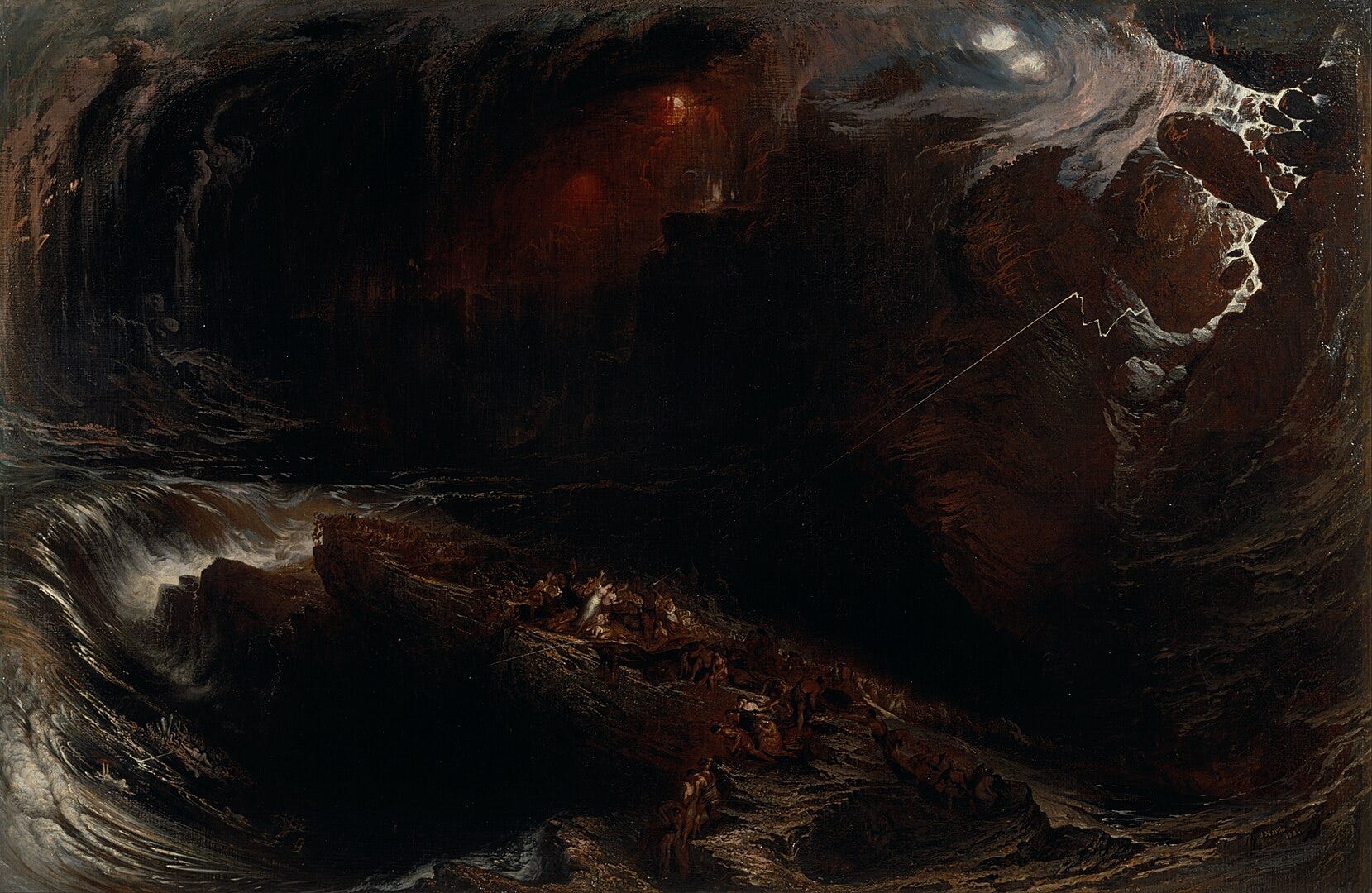
Sometimes there is a phenomenon of which they say, “Look, this one is new!”—it occurred long since, in ages that went by before us. The earlier ones are not remembered; so too those that will occur later will no more be remembered than those that will occur at the very end.1
Into the cyclic gulf that girds the cosmos round,
Widening, deepening ever outward without bound…
Till the oft-rerisen bells from young Atlantis call;
And again the wizard-mortised tower upbuilds its wall
Above a re-beginning cycle, turret-crowned.2
The Road To The Present Moment
Homeric legend tells us that all of Hellas united for war when Helen was abducted by her lover Paris and taken to Troy. Unlike that ancient conflict, which was sparked by a tale of beauty and desire3, Israel’s war in Gaza was provoked by an act of unprecedented brutality on October 7, 2023—a date now etched into Israeli and Jewish memory for the horrors inflicted on innocent civilians. There was no romance here—only ruin, and a solemn call to prevent such terror from returning in the future.
Here, it was Israel’s adversaries who were motivated not by love but by hate, when they rampaged through Israeli communities, killing, maiming, abducting, and raping innocents. In total, some 1,200 people were murdered, and around 250 were taken hostage.4 Hamas, the executor of the massacre, vowed to carry out more such operations until Israel was eradicated from the face of the earth.5 Illusions of security and deterrence, long held by Israel’s political and military establishment, went up in smoke.6 In their place came treble confusion, fear, and righteous fury.
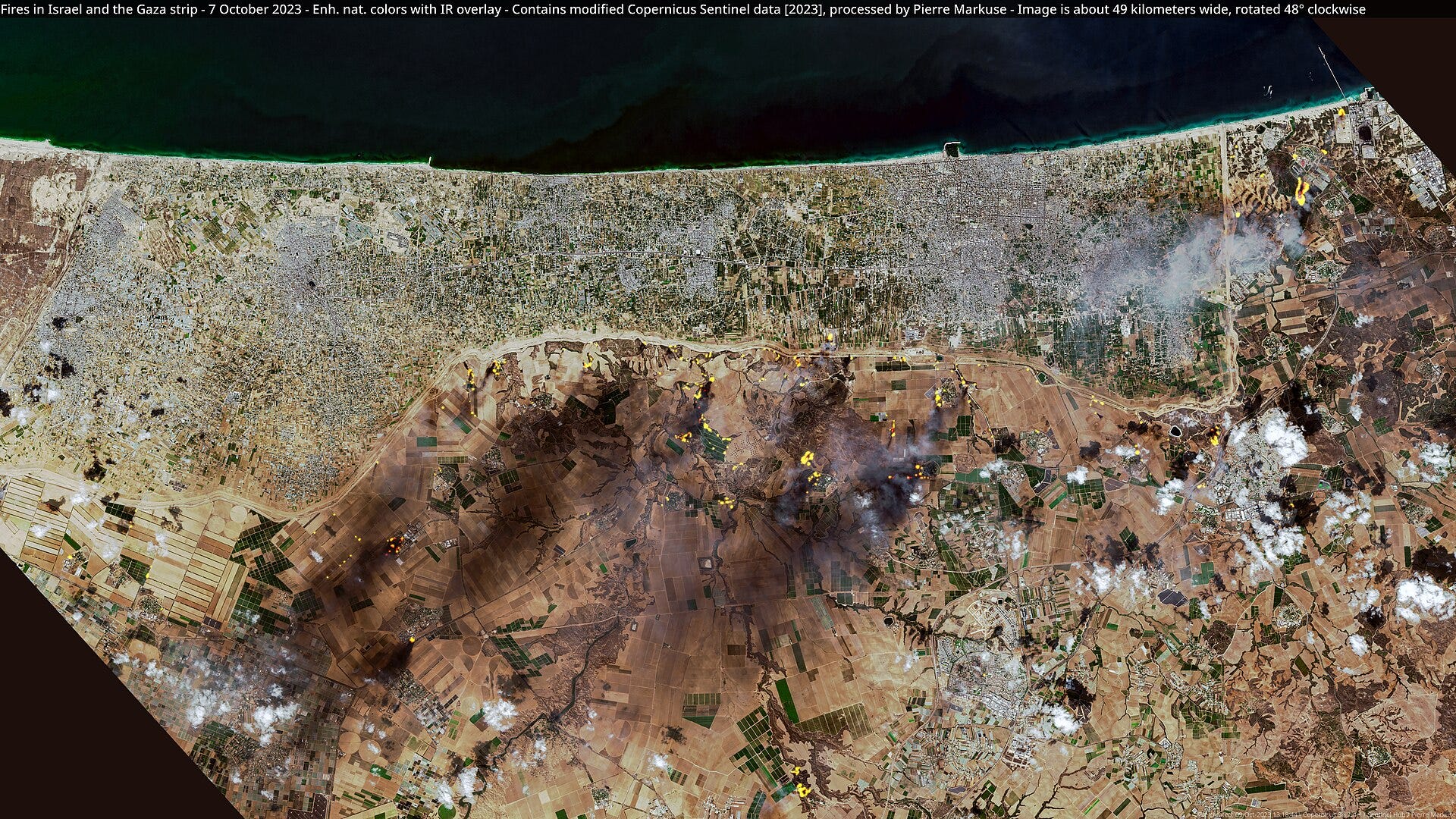
It quickly became apparent that Israeli military operations in the Gaza Strip would assume a size and intensity that would dwarf all previous engagements. No longer would Israel be content with the limited “mowing-the-grass” operations of yesteryear, which were designed to periodically degrade Hamas and reestablish deterrence.7 This time, Israel’s goals went further. Beyond the liberation of hostages, Yoav Gallant, then serving as Minister of Defense, declared before the Knesset on October 20th that the war’s aims included the ouster of Hamas and the creation of a lasting “security regime” in the Gaza Strip.8 A post-Hamas governance plan was drafted by Israeli officials a few months later, envisioning an autonomous—yet demilitarized and deradicalized—Gaza.9 Israeli leaders also flirted with Trump’s surprise proposal in February 2025 that the U.S. take some kind of ownership over the Gaza Strip and that the Palestinians be moved out of the territory for the duration of the reconstruction. Under this proposal, Gaza would be open to Arab and Jew alike.10
To overthrow Hamas would require prodigious effort by Israel. Hamas, which governed the Gaza Strip since 2007, had ample time to shape their demesne to prevent easy and bloodless ouster. The terror organization had long employed a human shield strategy and since the 2014 war built and improved a whole elaborate series of underground tunnels for their fighters to operate in.11 In this sense, civilians became both shield and shroud—sacrificed to the optics of asymmetric war.
Hamas would respect no rule of war. “What Hamas did in weaponising Gazan civilian infrastructure has never been done before,” Andrew Fox, a British military observer of the conflict, wrote.12 Such cynical tactics by Hamas were borne out in reportage even among the Arab press who noted that the terror organization’s use of IEDs in particular—be they hidden on the road or in houses—was responsible for the majority of Israeli military causalities.13 Yet, despite the deliberate and systematic employment of morally dubious tactics by the terror group that placed its own population and civilian infrastructure in peril, comparatively little outcry was directed at Hamas by the press.14 Compounding these problems was that Gaza’s population was prevented by Hamas,15 Egypt, and her neighbors from fleeing an active war zone.
An Offer To End The War
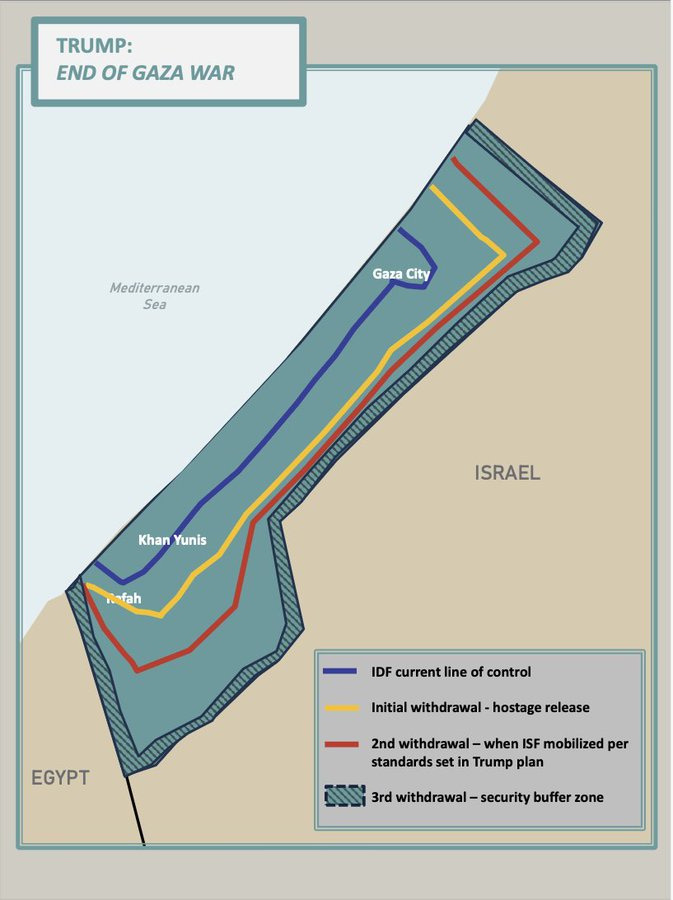
All of this served to guarantee mass devastation and destruction in the Gaza Strip as a result of the intense fighting between the two sides.16 Now, after two years of fighting, the two sides have signed a deal that promises an end to the war.17 The deal that has signed is, at this point, not a comprehensive peace but phase one of a process that will hopefully culminate in a post-war environment. Phase one revolves around a trade of all remaining Israeli hostages for a set number of Palestinian prisoners and an Israeli pullback to agree upon lines within Gaza.18 President Donald Trump’s 20-point plan, which the deal is based on, aims to foster a Gaza that is deradicalized and disarmed. Hamas will have no future in the governance of Gaza, which will be done along technocratic lines, according to this plan. The Israelis in return promise to withdraw and refrain from annexing the Gaza Strip.19

The overall vision of the plan aligns well with declared Israeli war goals. It is also a vision which, importantly for Arab and Islamic states, does not rule out the possibility of a Palestinian state. A final agreement over Gaza that details how the vision will be implemented has so far not been settled.20 Hamas, for instance, has so far refused to accept any plan where they are militarily disarmed as an organization.21 The demand for a demilitarized Gaza is a key Israeli demand and a red line.
Trump’s Post War Vision
Beyond the points outlined in the official peace-in-Gaza plan, Trump is seeking to revive the momentum behind the Abraham Accords. These Accords sought peace and normalization between the Jewish state and her Arab neighbors. What made this extraordinary coalition viable was the Arab ideological and political disarray in the Middle East coupled with Iranian ascendancy. Anti-Zionist animus gave way to power politics concerns and an emerging elite identity within the United Arab Emirates that sought an alternative to the failed movements of yesteryear.22 Prior to the October 7 massacre, Israel was in deep talks with the Saudis and Indonesians on expanding this Sunni moderate coalition.23 The war in Gaza, however, put that all on hold. Reinvigorating this noble coalition would, its advocates argue, expand the zone of active peace, promote stability, and contribute to a deradicalized Middle East.
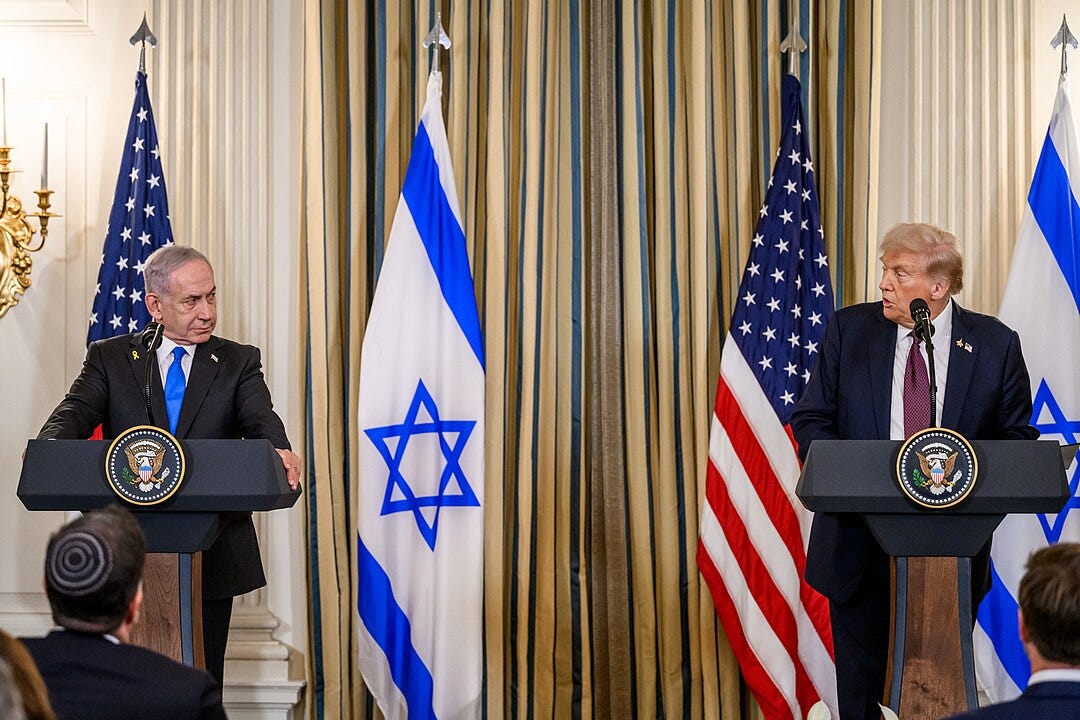
Verily, in recent days, Syria—and even Lebanon—have signaled a tentative interest in reaching some form of understanding regarding the existence of the State of Israel—though both have made clear they do not intend to normalize relations.24 Meanwhile, Israel has emerged from the war with Hamas and Hezbollah victorious but militarily fatigued and diplomatically strained. The Assad regime in Syria lies in ruins, and Israel managed to deliver several direct blows to its regional rival, Iran, in a brief but pointed exchange.25 Paradoxically, the weakening of the pro-Iranian axis—long a shared concern for Israel and its Sunni neighbors—may now reduce the urgency for Arab states to strengthen ties with Israel. Compounding this is the reputational damage26 Israel has sustained during the Gaza conflict, which may make a balancing coalition27 seem less necessary—or less palatable—to its Arab counterparts.
Still, Trump remains an optimist, convinced that these obstacles can be overcome. Central to his vision is the belief that the open wound of Gaza must be closed in order to move on. This plan offers the praxis through which that healing might begin. Indeed, if Hamas and other such militant terror groups are discredited, disarmed, and disempowered, this would make such a process easier for both sides. Gaza thus has an opportunity to become a model rather than a reoccurring catastrophe.28
Prospective Pitfalls of the Plan
In the early days of the Gaza war, I examined three major proposals for governing the territory in a post-Hamas era: placing Gaza under the oversight of a multinational security force, restoring control to the Palestinian Authority (PA), or maintaining Israeli military occupation.29 Each came with significant drawbacks, as outlined in my earlier analysis. The Trump peace plan envisions “a temporary International Stabilisation Force” to help police Gaza and hold out the possibility of a reformed PA re-taking the reins.30
A History Of Failed Multinational Efforts
The history of multinational police or peacekeeping forces in the Israeli-Arab conflict has, for the most part, been underwhelming. As I noted in my earlier analysis:
The United Nations’ first peacekeeping mission was deployed in 1956 to the Sinai in the aftermath of the Suez Crisis to separate Egyptian and Israeli forces. In 1967, this force left the Sinai amid an Egyptian military buildup in the region despite [it] needing Israeli permission to do so and consequently allowed the Six Day War to happen. More recently the creation of the United Nations Interim Force in Lebanon (UNIFIL) in 1978 failed to quiet rocket fire and terrorist attacks from southern Lebanon into Israel. Similarly, an international force entered Lebanon in 1982 only to be withdrawn in 1984 after the security situation in the civil war torn country further deteriorated.
The international community has also spectacularly failed to achieve its mandate of non-state disarmament in Lebanon since then.
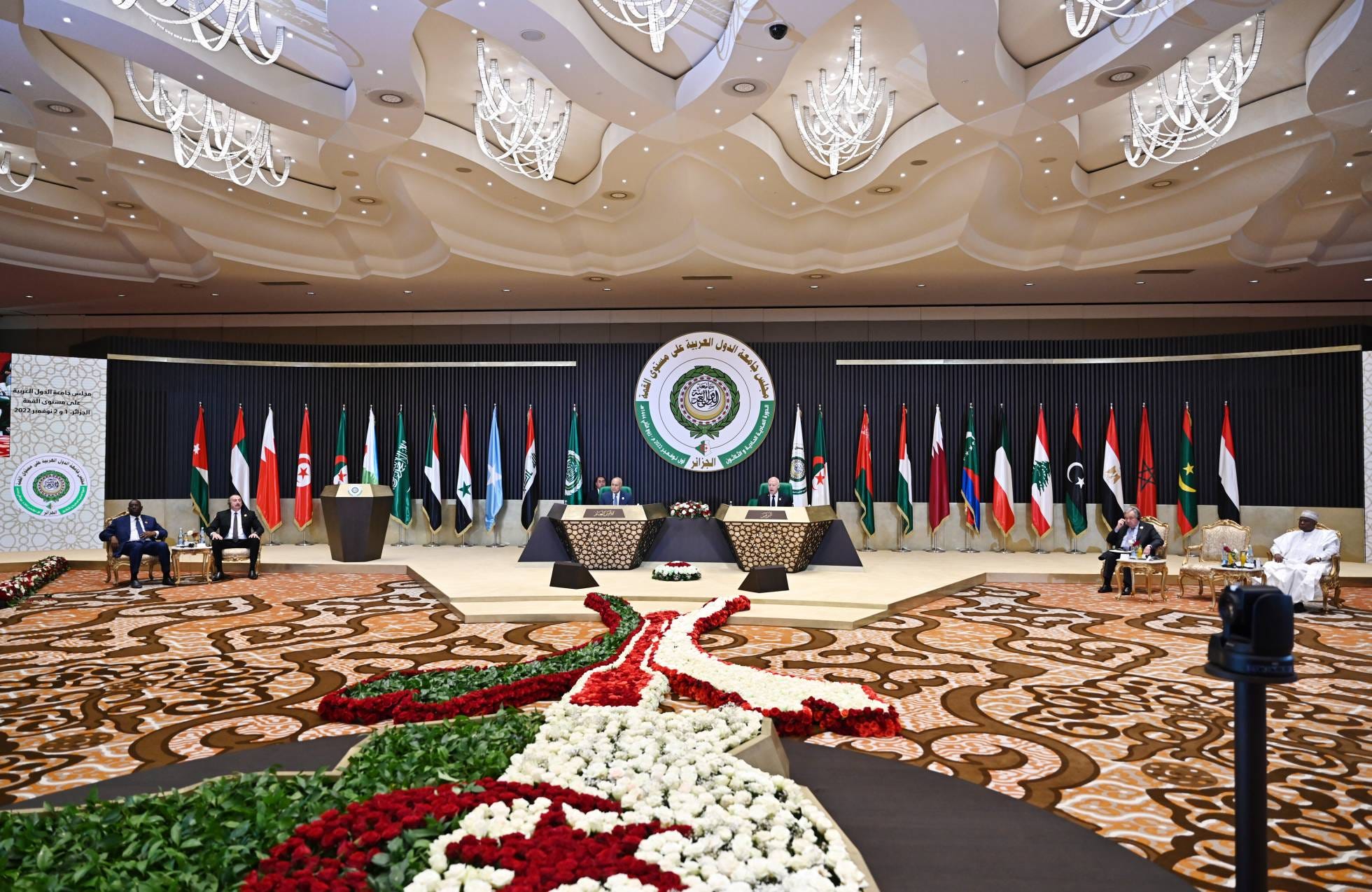
Beyond questions of effectiveness, there are also strategic risks to involving moderate Arab states in a Gaza policing mission. Public support across the Arab world for the Palestinian cause could constrain the willingness of these states to engage in the kinds of disarmament and deradicalization efforts necessary for long-term stability. Should the mission fail, and hostilities resume from Gaza toward Israeli communities, any subsequent Israeli military response could risk igniting a broader regional conflict.
Additionally, all of this presumes even that the Arab countries behind the Temporary International Stabilisation Force remain firmly united in the first place in the mission in question. As Hussein Aboubakr Mansour explained:
Most importantly, one of the central yet least acknowledged dynamics shaping regional politics over the past two decades is the inter-Gulf rivalry among the three most powerful Arab states today—Saudi Arabia, the United Arab Emirates, and Qatar. This rivalry, though often obscured by shared rhetoric about Arab solidarity, intersects continuously with the broader competitions involving Turkey, Iran, and Israel. Any analysis of Gaza’s postwar trajectory that overlooks this triangular tension risks failing without warning… Despite all of their rhetoric whether about Arab solidarity, Islam or humanity, each of these states views Gaza not as a humanitarian cause or a field for collective Arab responsibility, but as an arena through which to project influence and check competitors. (Arabs are truly the last liberals.) Their cooperation will extend only as far as their rivalries allow—and those rivalries are precisely what will make any unified governance framework inherently unstable.31
From this perspective, geopolitical rivalries and identity politics may ultimately undermine—rather than strengthen—the intended mission of the policing force. Given these risks, my article proposed that moderate Sunni states might play a more constructive role by supporting educational reform in Gaza rather than participating directly in military policing.32
A Façade? A Reformed Palestinian Authority
The concept of a reformed Palestinian Authority that is truly committed to the path of moderation and to internal state building rather than to the conflict with Israel has been trotted out before. President George W. Bush in 2002 called for a new moderate leadership “not compromised by terror” to take over control of the political body and curb it of corruption and radicalism. He pledged that the US, the European Union, and Arab states would welcome and work with the Palestinian Authority to achieve these reforms.33 Bush gave direct aid to the PA to encourage such moderating measures.34
The United States even backed the candidacy of Salaam Fayyad to the premiership of the PA. President Mahmoud Abbas appointed Fayyad to the post in 2007 to carry out reforms. However, the reform program stalled and Fayyad resigned in 2013.35 Part of the problem was that the political party36 that Fayyad belonged to only secured less than 3 percent of votes for parliament in 2006.37 Fayyad in effect was carrying out a program that had no public support and dubious commitment from Abbas.38 Put simply, Fayyadism was a passing—and somewhat forced—phase that failed to structurally reform the PA.39
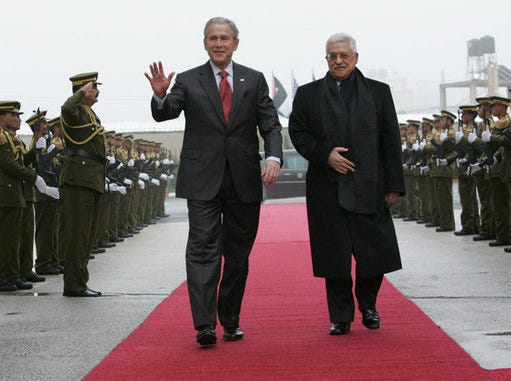
Endemic corruption40 and radicalism continued to run rampant within the Palestinian Authority. This political body, despite years of promised educational reform, has continued to publish and promote antisemitic textbooks that reject peace with Israel.41 Even in the aftermath of October 7th, Palestinian officials and media aligned with Fatah profusely praised the massacre orchestrated by their rival Hamas. One Fatah official called it “a morning of victory, and morning of joy, a morning of pride” and said that all Palestinian people should participate in such an event.42 President Mahmoud Abbas appeared to defend the event on October 8th when he proclaimed that the Palestinians have the right to defend themselves from Israeli aggression.43 These pro-violence voices have continued to be expressed within the ostensibly reforming Palestinian Authority to this day.44
All of this presumes that Fatah, the more secular alternative to Hamas that governs the West Bank, even manages to remain in power. The PA already has issues with reining in terrorist organizations that operate in the West Bank. The political body lost effective control of Samaria—the northern part of the West Bank—to Iranian-backed groups.45 President Abbas is at risk of becoming nothing more than the glorified mayor of Ramallah, the seat of the Palestinian Authority, and not much else.
A Waiting Game?
The Gaza war has left Hamas a battered organization. Large portions of its military and political leadership have been eliminated,46 much of its infrastructure destroyed,47 and its financial resources severely strained.48 Yet even in its weakened state, Hamas may recover—given time, support, and opportunity.
Before October 7, Hamas already enjoyed more popularity than Mahmoud Abbas in both the West Bank and East Jerusalem.49 Since then, its support has only grown across those areas since then.50 If elections were held in the West Bank today, it is far from certain that Hamas wouldn’t emerge with the largest share of the vote.51In light of the Palestinian Authority’s fragility, it is not implausible that Hamas—or a similar radical group—could seize power in a coup, as it did in Gaza in 2007.52 Currently, the only significant barrier to such a takeover is limited security coordination between the PA and Israel. Handing Gaza over to Abbas, therefore, offers no real guarantee of preventing Hamas’s resurgence.
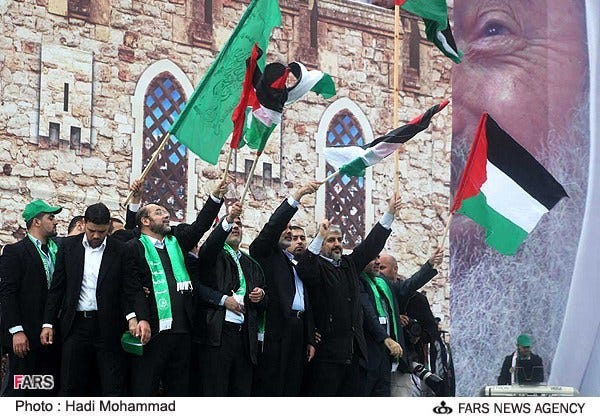
Hamas may simply be biding its time, betting that the decline of the Fatah-led PA will eventually allow it to claim leadership over the Palestinian people. Indeed, there was even before the war some talk of Hamas acting more in accordance with Hezbollah’s model—that is embedding itself as both a deep state and a state-within-a-state.53 “They’re prepared to let a cosmetic Palestinian administration run daily affairs, but Hamas will operate behind the scenes, like Hezbollah in Lebanon,” Dr. Michael Milshtein, head of the Moshe Dayan Forum at Tel Aviv University, warned about Hamas’s post-war strategy.54 Much then, hinges on the successful disarmament and political removal of Hamas. It is a presumption that, as Hussein Aboubakr Mansour argues, “may prove the most fragile foundation of all” given how arms ties into the terror organization’s identity.55
Unlocking The Key To Success: Enforcement
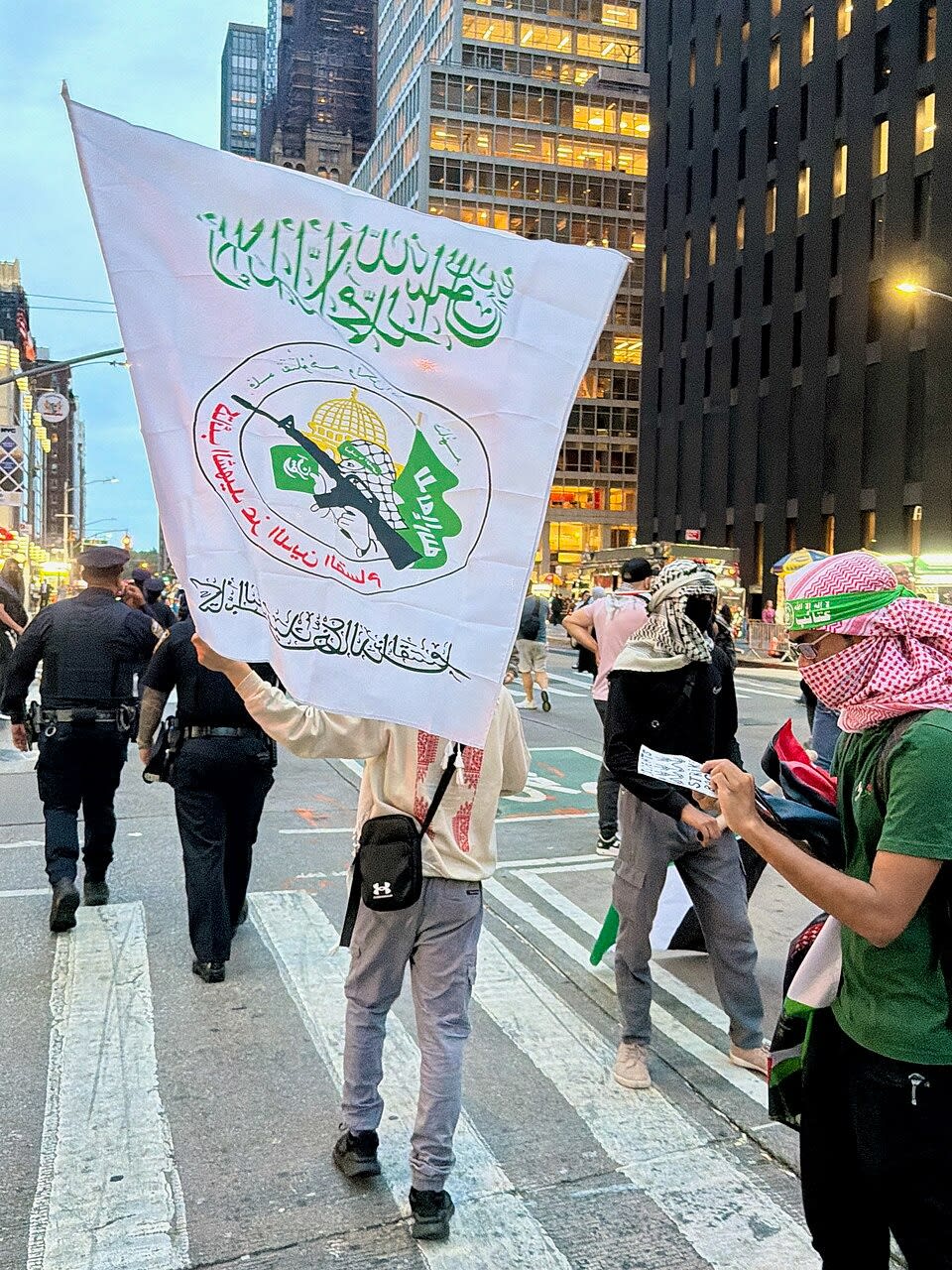
The success of the Trump peace proposal therefore hinges on two critical components: the disarmament of radical organizations and the dismantling of their ideological appeal. If the very terms behind the proposal are watered down, then this invites the prospect of recovery for both Hamas and its ideological kin. The Israelis, for their part, are unwilling to return to the status quo that preceded October 7. Here Mansour points out that the Israeli right must rethink their strategy and find ways “to extricate itself from the structural dynamics of the conflict altogether—to end, or at least structurally revise, the system that sustains the conflict as a spectacle.” Mansour rightly observes that starts not with ritualistic opposition to the illusion of Palestinian statehood—a risk he sees as never truly materializing in the foreseeable future—but through reckoning with “the first and most difficult point of the Trump plan: the deradicalization of Gaza.” He writes that:
It is placed first for a reason. It acknowledges what more people now recognize, however belatedly—that the ideological and educational environment of Palestinian society is the central and most difficult problem…Israelis—and Jews more broadly, together with their friends—must come to understand that this is now the core mission: to alter the incentive and ideological structure that produces generations willing to sacrifice themselves and their children for the cameras.56
For there to be peace then Gaza cannot be made to relapse into its old self and there must be a commitment to see that it does not.
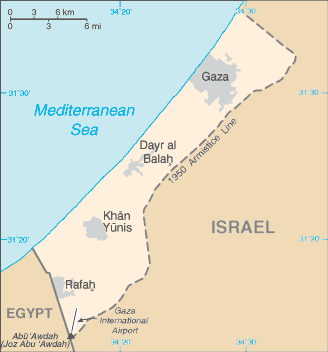
This commitment must also be carried by the international community toward policing and rehabilitating Gaza as well. Indeed, beyond commitment, what is required is enforcement. If the disarmament is not adequately carried out by the international community and whatever body ends up governing Gaza then the cycle of violence will begin again. Otherwise, Gaza will become another Lebanon where Hezbollah’s military presence guarantees continued conflict with Israel. As Tom Barrack, the US ambassador to Turkey and Special Envoy to Syria, put it when asked about how the Lebanese government was carrying out its disarmament program:
I would say, the Lebanese – and I don’t mean this is [in] a disrespectful way – all they [the government] do is talk. There has never been one act [to disarm Hezbollah]. We told them: ‘Do you want our help? We’ll give you our help.’ We gave them a playbook, they can’t get there…No [the Lebanese cannot enforce its own pledge to disarm Hezbollah]. Absolutely not. So we said: ‘Fine, we’re not going to execute, you know who is going to execute? Walk across that border, do you see where Jerusalem is? Jerusalem is going to take care of Hizbullah for you.’”57
For peace to hold, deradicalization and disarmament must commence and be thoroughly done. If the international community fails to carry through, the Israelis have already come to an understanding with the Americans that Jerusalem will ultimately enforce any violation that endangers their security.58
Conclusion: A Cycle To Repeat Or Broken?
We return at last to the epigraphs that opened this essay—one drawn from ancient scripture, the other from a poem of myth and magic. They remonstrate with us that history is not a straight line but a spiral; not progress, but recurrence; not wholly rational, but at times enchanted. “There is nothing new under the sun,” the venerable Ecclesiastes tells us59— as the old cycle begins anew. Like Atlantis, the past returns in disguise: different names, different banners, yet the same familiar ghosts.
October 7th marked such a return. If the Trojan War began with the abduction of a queen, Israel’s war began with the abduction—and slaughter—of civilians, not in the name of beauty, but in hatred’s name. Yet both events summoned nations to arms, and both shattered illusions—of safety, of stability, of civilization itself. What follows now—this deal, this pause—is poised between renewal and relapse. The tower rises again; whether it will endure is another question.
But the magical image of Atlantis reborn is not just a warning—it is a question. Can a cycle be broken? Can the incantation be reversed? The Trump peace plan, for all its practical challenges and geopolitical fragility, at least gestures toward a different future: one where Gaza is not a graveyard of dreams, but a ground for something new to grow.
Yet spells are undone not by hope alone, but by will—by enforcement, by ideological clarity, by the hard labor of deradicalization. Without these, the bells of Atlantis will toll again, and Gaza, like Troy, will be rebuilt only to burn once more. The road from myth to peace runs through a narrow gate. If this is not the end of a cycle, it may only be its latest re-beginning. If this is not a true peace, it is merely a pause before the next storm.
Ecclesiastes 1:10-11.
Smith, C. A. (2022). Zothique: The Final Cycle (R.S. Hilger, ed.). Hippocampus Press, 335. (Originally published 1963). This is part of the poem called “Cycles.”
Indeed, the cause of the war have seen been immortalized not just by Homer but by Marlowe. In his writing, Marlowe alluded it was Helen’s “face that launch’d a thousand ships, /And burnt the topless towers of Illium.” See Marlowe, C. (1997). The Tragic History of Doctor Faustus (A. Dyce, ed.). Project Gutenberg. (Originally published 1604). https://www.gutenberg.org/files/779/779-h/779-h.htm.
Witnesses detail ‘widespread and systematic’ sexual assault on October 7. (2025, July 6). i24News. https://www.i24news.tv/en/news/israel-at-war/survivor-testimonies/artc-witnesses-detail-widespread-and-systematic-sexual-assault-on-october-7.
Walker, J. (2023, November 1). Hamas official vows to repeat deadly Israel attacks: ‘There will be a second, third, a fourth.’ TND. https://wlos.com/news/nation-world/hamas-official-vows-to-repeat-deadly-israel-attacks-there-will-be-a-second-a-third-a-fourth-israeli-terrorist-fight-invasion-october-7-palestine-war-jerusalem.
On the failure of the concept and the misreading of Hamas by Benjamin Netanyahu in particular, see Kramer, M. (2024, August 11). Bibi’s evolving Hamas story, Martin Kramer on the Middle East. https://martinkramer.org/2024/08/11/bibis-evolving-hamas-story/ ;Kramer, M. (2023, November 12). How Hamas deterred Netanyahu. Martin Kramer on the Middle East. https://martinkramer.org/2023/11/13/how-hamas-deterred-netanyahu/. For the debate over the failures of the security establishment writ large, see Mor, S. (2024). The Failed Concepts That Brought Israel to October 7. Mosaic. https://ideas.tikvah.org/mosaic/essays/the-failed-concepts-that-brought-israel-to-october-7; Gordon, E. (2024). Yes, Bad Policies Paved the Way to October 7. But What If They Were The Only Policies Available? Mosaic. https://ideas.tikvah.org/mosaic/essays/responses/yes-bad-policies-paved-the-way-to-october-7-but-what-if-they-were-the-only-policies-available; Taub, G. (2024). The Peace Process Failed, but Its Bad Assumptions Live On. Mosaic. https://ideas.tikvah.org/mosaic/essays/responses/the-peace-process-failed-but-its-bad-assumptions-live-on; Lord, A. (2024). Israel’s Mistake Was Viewing Hamas as a Minor Nuisance. Mosaic. https://ideas.tikvah.org/mosaic/essays/responses/israels-mistake-was-viewing-hamas-as-a-minor-nuisance.
Cohen et al. (2017). Lessons from Israel’s War in Gaza. RAND. https://www.rand.org/pubs/research_briefs/RB9975.html; Inbar, E. & Shamir, E. (2014). ‘Mowing the Grass’: Israel’s Strategy for Protracted Intractable Conflict. Journal of Strategic Studies, 37(1), 65-90. https://www.tandfonline.com/doi/ref/10.1080/01402390.2013.830972?scroll=top.
Hulkower, I. (2023, October 20). Israeli Minister Of Defense Yoav Gallant Reveals War Aims. Daily Caller. https://dailycaller.com/2023/10/20/israel-minister-defense-reveals-gaza-war-aims-knesset-yoav-gallant/.
Magid, J. (2024, February 23). Netanyahu presents post-war plan to cabinet, aims for ‘local officials’ to govern Gaza. The Times of Israel. https://www.timesofisrael.com/presenting-post-war-plan-to-cabinet-pm-aims-for-local-officials-to-govern-gaza/#:~:text=Notably%2C%20the%20document%20clarified%20that,a%20%E2%80%9Creward%20for%20terror.%E2%80%9D.
On the leaked details of the plan, see DeYoung, K. & Brown, C. (2025, September 2). Gaza postwar plan envisions ‘voluntary’ relocation of entire population. The Washington Post. https://www.washingtonpost.com/national-security/2025/08/31/trump-gaza-plan-riviera-relocation/; On the surprise announcement and Israeli reactions, see Lawler, D.& Ravid, B. (2025, February 4). Trump claims U.S. will “take over” Gaza and turn it into new “Riveria.” Axios. https://www.axios.com/2025/02/05/trump-gaza-takeover-palestinians-israel; Netanyahu rejects reports of Gaza power transfer to PA. (2025, February 17). JNS. https://www.jns.org/netanyahu-rejects-reports-of-gaza-power-transfer-to-pa/; Ben Gvir pledges ‘magnificent’ beach settlement in Gaza for Israeli police. (2025, September 17). L’Orient Today. https://today.lorientlejour.com/article/1477673/ben-gvir-promises-to-build-a-magnificent-beachside-settlement-in-gaza-for-israeli-police.html; Israeli far right leaders in Knesset discuss Gaza ‘Riveria’ plans while starvation worsens. (2025, July 23). The Arab Weekly. https://thearabweekly.com/israeli-far-right-leaders-knesset-discuss-gaza-riviera-plans-while-starvation-worsens.
Richemond-Barak, D. (2025). Earth, Sun, and Water: The Elements that Fuel Hamas’s Tunnel. Small Wars Journal. https://smallwarsjournal.com/2025/07/03/earth-sun-and-water-the-elements-that-fuel-hamass-tunnels/; Spencer, J. (2024). Gaza’s Underground: Hamas’s Entire Politico-Military Strategy Rests On Its Tunnels. Modern War Institute. https://mwi.westpoint.edu/gazas-underground-hamass-entire-politico-military-strategy-rests-on-its-tunnels/#:~:text=Hamas’s%20strategy%2C%20then%2C%20is%20founded,run%20out%20in%20the%20tunnels. On the origins of Hamas’s human shield strategy in Gaza, see Alkhatib, A.F. (2024). The Origin of Hamas’s Human Shields Strategy in Gaza. Newsweek. https://www.newsweek.com/origin-hamass-human-shields-strategy-gaza-opinion-1873499.
Andrew Fox. (2025, August 4). Journalists on the Gaza aid drop flights have been taking footage from the sky. Now gasping in horror at the destruction[Tweet]. X. https://x.com/Mr_Andrew_Fox/status/1952586884539892099.
Home-made bombs become Israelis’ worst nightmare in Gaza causing casualties. (2025, July 9). The Arab Weekly. https://thearabweekly.com/home-made-bombs-become-israelis-worst-nightmare-gaza-causing-casualties?__cf_chl_tk=PKrUuBJMy_Ggr8NIovxAS6BiwAf3EYnKb9637ADya9E-1760051326-1.0.1.1-2UeuAiDF7QB8WQTr8gMoOoKl0Sswgy.F7w.DKhwhuBk.
For details on this, see Fox, A. & Aizenberg, S. (2025). Hamas’s Human Shield Strategy in Gaza. The Henry Jackson Society. https://henryjacksonsociety.org/wp-content/uploads/2025/05/HJS-Hamass-Human-Shield-Strategy-in-Gaza-Report-WEB.pdf; In Their Own Words: Hamas Turns Hospitals into Military Assets with NGO Compliance. (2025, September 10). NGO Monitor. https://ngo-monitor.org/reports/hamas-misuse-hospitals-docs/. On media manipulation, see Fox, A. (2025, October 9). Israel and the Genocide Libel. Quillette. https://quillette.com/2025/10/09/the-genocide-libel-besa-report-israel-gaza/; Fox, A. (2025, September 4). The lie that lingers. Fox On War, Substack.

; Fox, A. & Glezer, T. (2025). Misinformation Strategy and Media Bias in the Gaza War. Middle East Quarterly, 32(2). https://www.meforum.org/meq/misinformation-strategy-and-media-bias-in-the-gaza-war.
For just one example, Debre, I., Lederer, E.M., & Shurafa, W. (2023, October 13). Palestinians flee northern Gaza after Israel orders 1 million to evacuate as ground attack looms. Associated Press. https://apnews.com/article/israel-palestinians-gaza-hamas-war-c8b4fc20e4fd2ef381d5edb7e9e8308c.
Beaule, V. (2025, October 7). Satellite images show extent of destruction in Gaza after 2 years of war. ABC News. https://abcnews.go.com/International/satellite-images-show-extent-destruction-gaza-after-2/story?id=126253670; Zhang, S. (2024, September 5). Report: Israel Demolishing Nearly Everything in “Buffer Zone” Along Gaza Border. Truthout. https://truthout.org/articles/report-israel-demolishing-nearly-everything-in-buffer-zone-along-gaza-border/. On the death toll, see Epstein, G. (2025). Assessing the Gaza Death Toll After Eighteen Months of War. The Washington Institute for Near East Policy. https://www.washingtoninstitute.org/sites/default/files/pdf/PolicyNote158Epsteinv3.pdf.
Lawler, D. & Ravid, B. (2025, October 9). Israeli Cabinet approves agreement to stop war in Gaza. Axios. https://www.axios.com/2025/10/09/gaza-deal-israeli-cabinet-approves; Tamsut, F. et al. (2025, October 9). Israel, Hamas sign off on phase 1 of Gaza plan. DW. https://www.dw.com/en/israel-hamas-sign-off-on-phase-1-of-gaza-plan/live-74285275.
Tamsut, F. et al. (2025, October 9). Israel, Hamas sign off on phase 1 of Gaza plan. DW. https://www.dw.com/en/israel-hamas-sign-off-on-phase-1-of-gaza-plan/live-74285275; Friedberg, N. (2025, October 9). Netanyahu hails ‘historic’ hostage release deal in call with Trump, invites him to address Knesset. The Times of Israel. https://www.timesofisrael.com/liveblog_entry/netanyahu-hails-historic-hostage-release-deal-in-call-with-trump-invites-him-to-address-knesset/.
Trump’s 20-point Gaza peace plan in full. (2025, October 9). BBC. https://www.bbc.com/news/articles/c70155nked7o.
Miller, A. (2025, October 10). Peace in Gaza? Hopefully, But Not Assuredly. Center for American Progress. https://www.americanprogress.org/article/peace-in-gaza-hopefully-but-not-assuredly/#:~:text=As%20of%20October%2010%2C%202025,Trump%20plan%20will%20play%20out.
Hamas Rejects ‘Fabricated’ Reports on Disarmament, Slams Media for Serving Israeli Agenda. (2025, October 6). Tasnim New Agency. https://www.tasnimnews.com/en/news/2025/10/06/3416735/hamas-rejects-fabricated-reports-on-disarmament-slams-media-for-serving-israeli-agenda; see comment about the right of resistance, Jpost Staff & Reuters. (2025, October 10). Hamas, Palestinian factions reject any ‘foreign guardianship’ over Gaza. The Jerusalem Post. https://www.jpost.com/middle-east/article-870051; Most recently, Hamas reportedly rejected the proposed interim oversight body—the so-called “Board of Peace” for Gaza—outlined in the Trump administration’s 20-point plan. See AFP. (2025, October 9). Hamas Rejects Trump’s ‘Board of Peace’ For Gaza: Official To Al Araby TV. Barron’s. https://www.barrons.com/news/hamas-rejects-trump-s-board-of-peace-for-gaza-official-to-al-araby-tv-9c3a03d3?gaa_at=eafs&gaa_n=ASWzDAh1YB0wihuEHeYbxi3pwwqwSt-vblD_EoNJJWvGu4JIfAHM6KUVwsExb3IPbqI%3D&gaa_ts=68e94016&gaa_sig=GDqAw2mEB-aXuW01-eHLM5Fe1cEwofbUPUw6zG7ia3l0ixKrn9dvr22QNAyqfzUzmR9D6TAtsPnfHoSz6I6p-Q%3D%3D.
Mansour, H.A. (2025, September 23). The Rise and Fall of the Abraham Accords: The End of the Neoliberal Middle East And the New Era of Power Politics. The Abrahamic Metacritique, Substack. https://substack.com/home/post/p-174345118; Hulkower, I. (2022, February). Israel In A New Middle East: Israeli Coalition Politics. Platform Mag, (8), https://theplatformmag.netlify.app/8th-edition/israel-in-a-new-middle-east-israeli-coalition-politics/.
Harkov, L. (2024, February 28). Israel, Indonesia were on track to normalize before Oct. 7: sources. Jewish Insider. https://jewishinsider.com/2024/02/israel-indonesia-normalization-state-department/; Lord, J. (2023, October 18). Hamas Tried to Sabotage Israeli-Saudi Normalization; U.S. Can Make It Backfire. Center for New American Security, https://www.cnas.org/publications/commentary/hamas-tried-to-sabotage-israeli-saudi-normalization-u-s-can-make-it-backfire.
Magid, J. (2025, September 23). As Israel and Syria negotiate security deal, Sharaa balks at potential normalization. The Times of Israel. https://www.timesofisrael.com/as-israel-and-syria-negotiate-security-deal-sharaa-balks-at-potential-normalization/; TOI staff. (2025, July 11). Lebanese president says Beirut currently seeks peace, not normalization, with Israel. The Times of Israel. https://www.timesofisrael.com/lebanese-president-says-beirut-currently-seeks-peace-not-normalization-with-israel/.
Hulkower, I. (2025, June 26). Bombs over Fordow: The Mountain And The Atom. Substack. https://substack.com/home/post/p-166911647; Hulkower, I. (2025, June 15). The Strike on Iran And Its Aftermath. Substack. https://substack.com/home/post/p-165985136.
This refers to the significant public relations damage Israel has sustained as a result of the Gaza war. Even prior to the conflict, Arab public opinion was generally unsupportive of normalization with Israel, and the war has only further soured sentiment across the region. See Cleveland, C. (2025, August 13). Saudi Public Opinion in a Changing Middle East: Great Powers, the Gaza War, Pathways for the Kingdom. The Washington Institute for Near East Policy. https://www.washingtoninstitute.org/policy-analysis/saudi-public-opinion-changing-middle-east-great-powers-gaza-war-pathways-kingdom; Robbins, M. & Jamal, A.A. (2025, June 23). Foreign Affairs: Arab Public Opinion Constrains Normalization with Israel. Arab Barometer. https://www.arabbarometer.org/media-news/press-release-foreign-affairs-article-how-arab-public-opinion-constrains-normalization-with-israel/; Robbins, M. & Jamal, A.A. (2025, June 12). A Hidden Force in the Middle East. Foreign Affairs. https://www.foreignaffairs.com/israel/hidden-force-middle-east. Notably, this deterioration in Israel’s image is not confined to the Arab world, where opposition has long been entrenched. In the West—particularly among Democrats and younger Americans—support for Israel has also declined sharply. See Galston, W.A. & Muchnick, J. (2025, August 6). Support for Israel continues to deteriorate, especially among Democrats and young people. Brookings. https://www.brookings.edu/articles/support-for-israel-continues-to-deteriorate-especially-among-democrats-and-young-people/; Silver, L. (2025, April 8). How Americans view Israel and the Israel-Hamas war at the start of Trump’s second term. Pew Research Center. https://www.pewresearch.org/short-reads/2025/04/08/how-americans-view-israel-and-the-israel-hamas-war-at-the-start-of-trumps-second-term/.
A potential counterargument to this view is that, despite public condemnations of Israel and official disapproval of normalization, many Arab states actually increased their security cooperation with Israel during the Gaza war. Leaked files indicate that this cooperation expanded quietly, even as public rhetoric remained hostile. See Kenner, D. (2025, October 11). Arab states expanded cooperation with Israeli military during Gaza war, files show. The Washington Post. https://www.washingtonpost.com/national-security/2025/10/11/us-israel-arab-military-leaked-documents/. This suggests that in a post-Gaza war scenario, many of these same Arab governments may continue to see strategic value in partnering with Israel—particularly on intelligence and counterterrorism—even if such cooperation remains behind closed doors. Furthermore, Arab fears of a resurgent neo-Ottoman foreign policy from Turkey may replicate the unifying effect that Iranian regional ambitions once had, driving discreet alignment with Israel despite public reluctance.
Points 18 and 20 of the Trump peace plan, which emphasize the need for dialogue and a peaceful political horizon, are ultimately aimed at separating the radical Palestinian cause from the more moderate Arab political sphere.
Hulkower, I. (2024, January 7). Israel’s Challenges In Gaza: Examining Some Post-War Scenarios. The Platform Mag, (24), https://www.theplatformmag.com/edition-24-articles/israel-s-challenges-in-gaza-examining-some-post-war-scenarios.
See points 9 and 15, see Trump’s 20-point Gaza peace plan in full.
Hussein Aboubakr Mansour. (2025, October 9). Will There Be A Phase Two Ceasefire? Possibilities and Impossibilities. The Abrahamic Metacritique, Substack. https://substack.com/home/post/p-175720688.
Hulkower, I. (2024, January 7). Israel’s Challenges In Gaza.
Office of the Press Secretary. (2002, June 24). President Bush Calls for New Palestinian Leadership. The White House. https://georgewbush-whitehouse.archives.gov/news/releases/2002/06/20020624-3.html.
President Bush Pledges $50 Million in Aid to the Palestinian Authority. (2005, May 26). PBS News. https://www.pbs.org/newshour/show/president-bush-pledges-50-million-in-aid-to-the-palestinian-authorityl; Ferguson, B. (2005, February 4). Bush Again Calls For Democracy In Middle East. Arab News. https://www.arabnews.com/node/261915.
Sherwood, H. (2013, April 13). US-backed Palestinian prime minister Salam Fayyad resigns. The Guardian. https://www.theguardian.com/world/2013/apr/14/palestinian-pm-salam-ayyad-resigns.
See “Third Way”, Mapping Palestinian Politics. European Council On Foreign Relations. Accessed October 11, 2025, from https://ecfr.eu/special/mapping_palestinian_politics/third_way/.
See “Legislative Elections (2006)”, Ibid. Accessed October 11, 2025, from https://ecfr.eu/special/mapping_palestinian_politics/legislative-elections-2006/.
Al-Omari, G. (2015, July 2). Abbas Targets Key Palestinian Officials. The Washington Institute for Near East Policy. https://www.washingtoninstitute.org/policy-analysis/abbas-targets-key-palestinian-officials.
On this, see Springer, J.E. (2015). Assessing Donor-driven Reforms in the Palestinian Authority: Building the State or Sustaining the Status Quo? Journal of Peacebuilding & Development, 10. https://www.tandfonline.com/doi/full/10.1080/15423166.2015.1050796#d1e76; Elgindy, K. (2013, April 22). The End of ‘Fayyadism’ In Palestine. Brookings. https://www.brookings.edu/articles/the-end-of-fayyadism-in-palestine/; Thrall, N. (2013, April 18). Palestine After Fayyad: The Choice Between Cooperation and Conflict. International Crisis Group. https://www.crisisgroup.org/middle-east-north-africa/israelpalestine/palestine-after-fayyad-choice-between-cooperation-and-conflict; Kredo, A. (2013, March 22). A Failed Reformation. The Washington Free Beacon. https://freebeacon.com/national-security/a-failed-reformation/.
There is a reason that the Emirate foreign minister called the Palestinian Authority “Ali Baba and the forty thieves” and questioned whether the body could deliver real reforms. See Ravid, B. (2024, June 6). “Ali Baba and the forty thieves”: Emirate-Palestinian shouting match blew up Blinken meeting. Axios. https://www.axios.com/2024/06/06/uae-palestinian-fight-blinken-meeting.
Back to School: Gaza’s Educational Frameworks in the Shadow of War. (2025). IMPACT-se. https://www.impact-se.org/wp-content/uploads/Gazas-Educational-Frameworks.pdf; Review of 2023 Palestinian Matriculation Exams. (2023). IMPACT-se. https://www.impact-se.org/wp-content/uploads/Review-of-2023-Palestinian-Matriculation-Exams.pdf; Palestinian Authority Ministry of Education Study Cards 2021-2022 Grades 1-11. (2022). IMPACT-se. https://www.impact-se.org/wp-content/uploads/PA-MoE-Study-Cards-2021%E2%80%9322-Grades-1%E2%80%9311.pdf; The 2020-2021 Palestinian School Curriculum Grades 1-12. (2021). IMPACT-se. https://www.impact-se.org/wp-content/uploads/PA-Reports_-Updated-Selected-Examples_May-2021.pdf; Pardo, E. & Byer, D.M. (2019). Palestinian Curriculum Put To The Test: The General Certificate of High School Examination in Palestine (Tawjihi). https://www.impact-se.org/wp-content/uploads/IMPACT-se-Report_Tawjihi-Matriculation-Exam-on-the-Palestinian-Curriculum.pdf;The Rejection of Peace: References to Peace Agreements, Israel, and Jews, Now Removed from PA Curriculum. ( 2019). IMPACT-se. https://www.impact-se.org/wp-content/uploads/Rejection-of-Peace_-Changes-from-Pre-2016-PA-Curricula.pdf.
Marcus, I. (2023, November 12). Hamas is seen as representative of the Palestinians. The Jerusalem Post. https://www.jpost.com/opinion/article-772820.
The New Arab staff. (2023, October 7). Abbas says Palestinian have ‘right to defend themselves’ following Hamas attacks on Israel. The New Arab. https://www.newarab.com/news/abbas-stresses-palestinian-right-defence-after-hamas-op.
Rajoub: The October 7th Attack Is A Natural Response To Israel’s Crimes, And Armed Resistance Cannot Be Condemned. (2025, October 8). Yaffa News Network. https://www.yaffaps.com/en/page-50753.html; Marcus, I. (2025, August 8). Palestinian Official Blames Israel for All Deaths in the October 7 Massacre. The Algemeiner. https://www.algemeiner.com/2025/08/08/palestinian-official-blames-israel-for-all-deaths-in-the-october-7-massacre/; Top Palestinian Official Rajoub: “What Hamas did on Oct. 7 made them part of the Palestinian national self-liberation movement.” (2024, November 30). Palestinian Media Watch. https://palwatch.org/page/35723. Rajoub is not an outlier—he is widely regarded in Western circles as a moderate. For context, see Schwartz, S. (2013, May 13). ‘Moderate’ Palestinian Leaders Swears: ‘If We Had A Nuke, We’d Have Used It This Very Morning.’ The Blaze. https://www.yahoo.com/news/moderate-palestinian-leader-swears-had-nuke-d-used-120410701.html. Abbas even echoed much of the same sentiments in 2025, see Merlin, O. (2025, June 8). Abbas praises October 7 massacre ahead of pro-Palestinian summit. The Jerusalem Post. https://www.jpost.com/middle-east/article-856960.
Ben Menachem, Y. (2024, May 21). The PA’s Return to Gaza Is Impractical and Unwanted. Jerusalem Center for Security and Foreign Affairs. https://jcpa.org/the-pas-return-to-gaza-is-impractical-and-unwanted. Nor is the PA’s inability to consolidate rule new. As early as 2018, analysts observed that: “[T]he Palestinian Authority-ruled West Bank and the Hamas-ruled Gaza Strip—no longer exist as coherent states with central governments capable of enforcing authority on most of their territory.” See Michael, K. & Guzansky. (2018). The Dangers of Failing Middle East States. Middle East Quarterly, 25(2). https://www.meforum.org/middle-east-quarterly/failing-middle-east-states.
Reuters. (2025, September 29). Which Hamas leaders have been killed by Israel and which remain. Reuters. https://www.reuters.com/world/middle-east/hamas-leaders-killed-by-israel-those-who-remain-2025-09-29/.
On IDF claims of Hamas causalities, see Aizenberg. (2025, September 29). Gaza Fatality Analysis: Latest Findings from Hamas & IDF Data [Tweet]. X. https://x.com/Aizenberg55/status/1972667839409504518; Up to 40 Percent of Hamas Terror Tunnels in Gaza Damaged or Destroyed. (2025, January 29). Foundation for the Defense of Democracies. https://www.fdd.org/analysis/2024/01/29/up-to-40-percent-of-hamas-terror-tunnels-in-gaza-damaged-or-destroyed/#:~:text=Latest%20Developments,Gaza%2C%20are%20degrading%20Hamas%20capabilities.
Rubin, S. & Balousha, H. (2025, July 21). Hamas facing financial and administrative crisis as revenue dries up. The Washington Post. https://www.washingtonpost.com/world/2025/07/21/hamas-gaza-war-financial-crisis/.
NewsNation. (2023, November 2). Poll: Majority of Palestinians surveyed would support Hamas chief as next leader| Dan Abrams Live [Video]. YouTube.
. The poll in question was taken prior to October 7.
Large Minority Wants to Leave Gaza as Hamas Popularity Declines, New Poll of Palestinians Finds. (2025, May 7). Foundation for Defense of Democracies. https://www.fdd.org/analysis/2025/05/07/large-minority-wants-to-leave-gaza-as-hamas-popularity-declines-new-poll-of-palestinians-finds/; Press Release: Public Opinion Poll No (95).(2025, May 6). Palestinian Center for Policy and Survey Research. https://www.pcpsr.org/en/node/997; Stern, M. (2024, June 24). Why Is Hamas’ Popularity Soaring Among Palestinians in the West Bank? The Washington Institute for Near East Policy. https://www.washingtoninstitute.org/policy-analysis/why-hamas-popularity-soaring-among-palestinians-west-bank; Marcus, I. (2024, October 7). Polls: It’s not just Hamas- it’s all Palestinians. 98% said that Oct. 7 events “made them proud.” Palestinian Media Watch. https://palwatch.org/page/35535.
Hamas already won the largest number of parliamentary seats within the Palestinian Authority when elections were last held in 2006. Hamas Wins Huge Majority. (2006, January 26). Al Jazeera. https://www.aljazeera.com/news/2006/1/26/hamas-wins-huge-majority.
Riedel, B. (2007, August 16). Battle for Gaza: Hamas Jumped, Provoked and Pushed. Brookings. https://www.brookings.edu/articles/battle-for-gaza-hamas-jumped-provoked-and-pushed/.
Yaari, E. (2014, June 3). Hamas Opts for the Hezbollah Model. The Washington Institute for Near East Policy. https://www.washingtoninstitute.org/policy-analysis/hamas-opts-hezbollah-model; Hulkower, I. (2025, September 22). The Vexing Problem of Lebanon: A Farewell To Arms? Substack. https://substack.com/home/post/p-174288566.
Lachter, E. (2025, October 11). Trump’s peace plan could just be a ‘pause’ before Hamas strikes again, experts warn. Fox News. https://www.foxnews.com/world/trump-peace-plan-gaza-could-just-pause-before-hamas-strikes-again-experts-warn.
Hussein Aboubakr Mansour. (2025, October 9). Will There Be A Phase Two Ceasefire?
Ibid.
Sky News Arabia. (2025, September 22). US Envoy To Syria Tom Barrack: We Have No Allies In The Middle East; We Don’t Trust Any Of Them, But Our Interests Sometimes Align; We Are Not Sending ‘Our Beautiful Marines’ To Disarm Hizbullah; The Lebanese Will Have To ‘Get Off Their Fanny’ And Do It Themselves, Or Israel Will. MEMRI. https://www.memri.org/tv/us-ambassador-thomas-barrack-slams-lebanese-government-hizbullah.
Zaken, D. (2025, October 10). US to back IDF action if Hamas violates Trump plan. Israel HaYom. https://www.israelhayom.com/2025/10/09/us-to-back-idf-action-if-hamas-violates-trump-plan/.
Ecclesiastes 1:9.